
WordPress vs Next.js: Which Is Better for Your Business?
Evaluate WordPress and Next.js across content management, security, engineering flexibility, performance, and long-term total cost of ownership.
Beyond the Hype: Comparing Architectural Realities
When selecting a technical foundation for your corporate web presence, the debate frequently centers on WordPress versus modern JavaScript frameworks like Next.js (React). Proponents of WordPress emphasize rapid deployment and familiar content editing, while advocates of Next.js champion blistering edge performance and infinite software customization.
Neither platform is universally superior for every commercial scenario. The optimal choice depends directly on your internal team capabilities, performance requirements, security risk tolerance, and the complexity of your digital offerings.
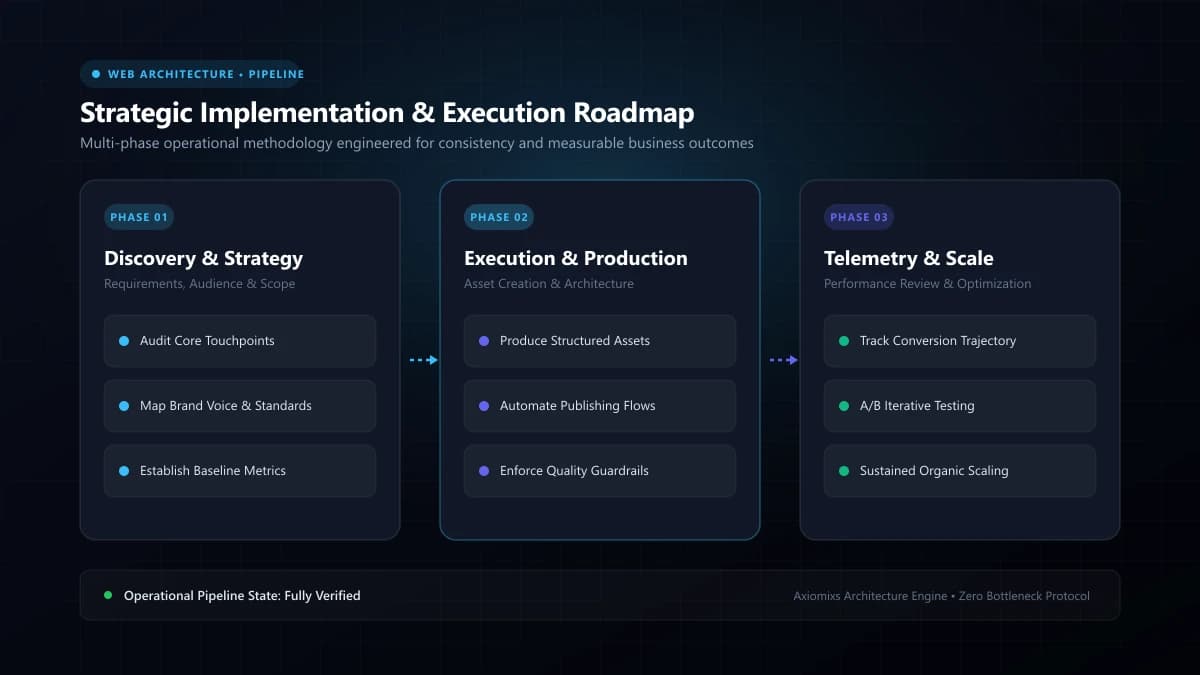
Figure 1.0 / Detailed comparison workflow highlighting content editing ease versus full-stack software engineering flexibility
How WordPress Operates: The Monolithic Advantage and Its Constraints
WordPress powers over 40% of the web by providing an all-in-one monolithic package: the database (MySQL), application logic (PHP), visual templating, and content editing dashboard reside within a unified server environment.
- Strengths: Highly intuitive WYSIWYG editing, a massive marketplace of pre-built plugins (WooCommerce, Yoast, Elementor), and widespread availability of low-cost maintenance talent.
- Vulnerabilities: Plugin bloat frequently degrades mobile page speeds; outdated third-party plugins remain the primary attack vector for web intrusions; and complex dynamic interactions require heavy database querying on every page visit unless layered with aggressive caching plugins.
How Next.js Operates: Decoupled Modern Web Architecture
Next.js is an enterprise React framework designed for hybrid rendering: static site generation (SSG), incremental static regeneration (ISR), and server-side rendering (SSR). In modern enterprise setups, Next.js acts as the high-speed presentation layer, fetching content from headless APIs, databases (like MongoDB), or microservices.
- Strengths: Near-instant edge delivery, pristine Core Web Vitals scores, zero direct database exposure on public page loads, and unlimited flexibility to build custom web applications, SaaS dashboards, and portal features.
- Vulnerabilities: Higher initial development cost, requires specialized front-end software engineers rather than CMS site-builders, and demands deliberate architecture for non-technical content management workflows.
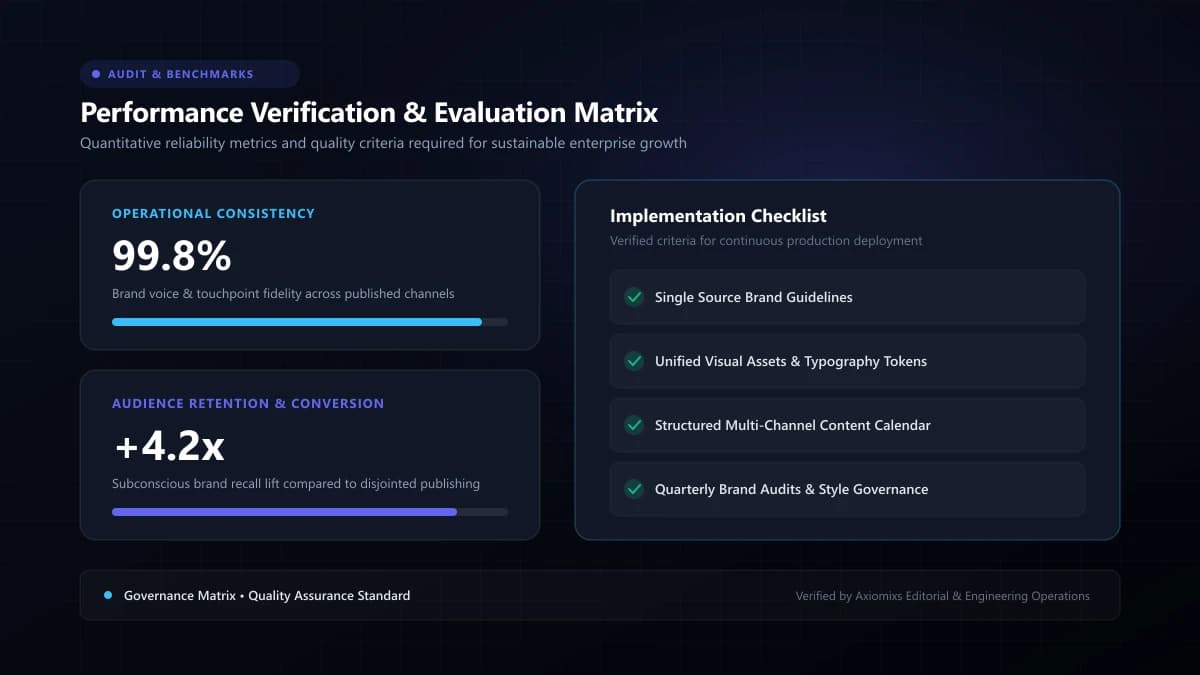
Figure 2.0 / Technical criteria matrix evaluating performance metrics, database security, and maintenance overhead
Direct Comparison: WordPress vs. Next.js
| Technical Dimension | WordPress (Monolithic) | Next.js (Modern Decoupled) |
|---|---|---|
| Performance & Speed | Variable (often bogged down by plugins and database queries) | Sub-second (prerendered HTML served directly from global CDN edge) |
| Security Footprint | Higher attack surface due to open PHP endpoints & plugin ecosystem | Static output with no exposed database on public requests |
| Custom Software Features | Constrained by CMS architecture and hooks | Complete full-stack engineering freedom (APIs, auth, interactive apps) |
| Upfront Investment | Lower initial setup and theme configuration cost | Higher initial engineering and architectural investment |
The Decision Framework: How to Choose for Your Organization
Use these practical criteria to make the definitive selection for your upcoming project:
- Choose WordPress if: Your primary requirement is standard content publishing, your budget is constrained, you rely heavily on standard off-the-shelf plugins, and your in-house team needs complete autonomy without code deploys.
- Choose Next.js if: Your web platform is core to your competitive differentiation, you require top-tier Core Web Vitals for aggressive SEO competition, you demand robust security without database vulnerability anxiety, or you are building complex custom web software.
Frequently Asked Questions
Is Next.js inherently better for SEO than WordPress?↓
Next.js offers superior technical control over Core Web Vitals, HTML payload size, and server-side rendering, but both platforms can rank effectively if metadata, content quality, and site architecture are executed properly.
Can non-technical marketing teams easily edit content on a Next.js site?↓
Yes. When paired with a headless CMS or structured content model (such as Sanity, Strapi, or MongoDB-backed admin panels), marketing teams get a familiar visual editing interface while the public site benefits from Next.js speed.
When is WordPress the more sensible choice for a business?↓
WordPress remains ideal for standard editorial blogs, small businesses with modest performance requirements, and teams that require extensive third-party plugin ecosystems without custom software engineering budgets.
Need High-Performance Next.js Architecture?
Axiomixs builds static-first Next.js web applications that deliver sub-second performance, bank-grade security, and headless content management.
Discuss Your Architecture →Related Engineering Guides
Website vs Facebook Page: Which Is Better for Your Business?
Compare reach, ownership, trust, search visibility, lead generation, and costs to understand whether a website or a Facebook page best serves your business goals.
How Much Does a Website Cost in Bangladesh in 2026?
Understand the realistic pricing variables, scope factors in BDT, and technical requirements affecting business website development in Bangladesh.
7 Signs Your Business Needs a Professional Website
Discover the telltale operational and commercial bottlenecks that signal your company has outgrown social media and needs a dedicated website.