
7 Signs Your Business Needs a Professional Website
Discover the telltale operational and commercial bottlenecks that signal your company has outgrown social media and needs a dedicated website.
The Shift From Informal Hustle to Structured Enterprise
Many growing enterprises start by selling through direct messaging, social channels, or word-of-mouth recommendations. In the early validation phase, this agile approach works. However, as inquiry volume expands, manual communication creates an operational bottleneck that limits revenue growth.
A professional website is not simply a decorative digital brochure; it is an automated operational engine that validates your business credibility, filters unqualified prospects, answers repetitive questions, and captures structured lead data 24 hours a day.
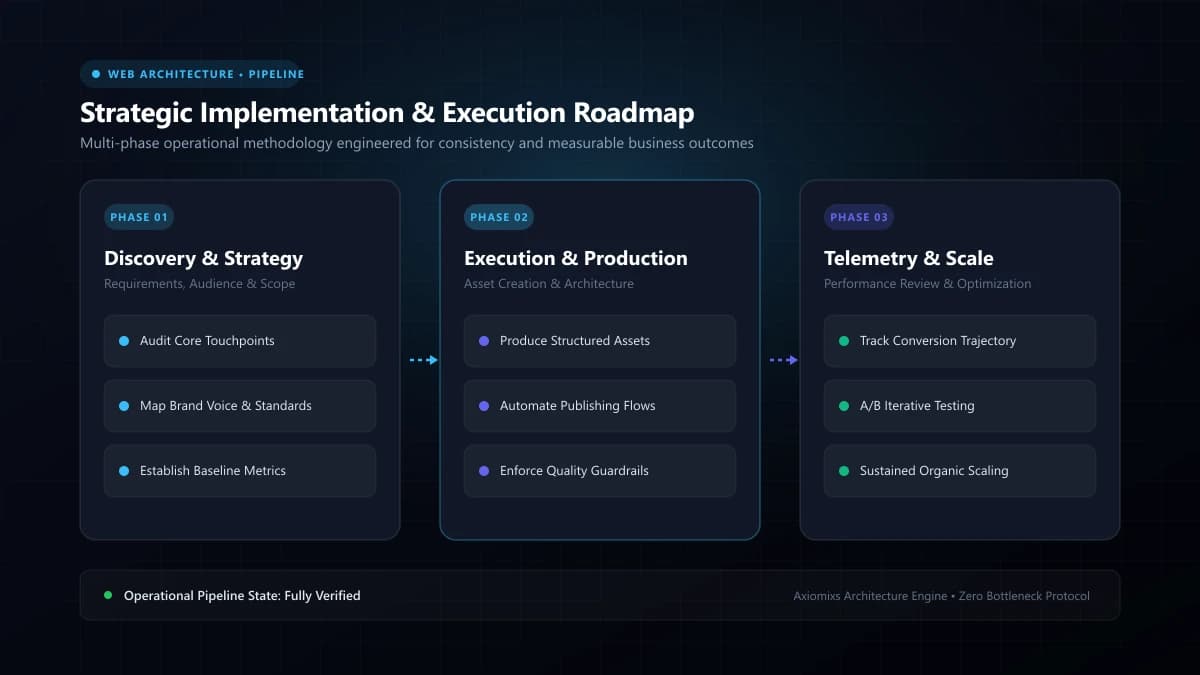
Figure 1.0 / Process flowchart illustrating customer journey bottlenecks caused by manual messaging versus automated website intake
The 7 Clear Signals That It's Time to Build a Professional Website
1. Your Team Spends Hours Answering the Same Inquiries
If your sales or support staff continuously spends valuable time pasting standard pricing details, service lists, company addresses, or operational hours into social chat windows, you have an information distribution problem. A structured website organizes this information logically so prospects can self-qualify before reaching out.
2. Prospective Enterprise Clients Cannot Verify Your Credibility
B2B decision-makers, corporate procurement teams, and institutional buyers rarely finalize contracts with organizations that lack a verifiable domain. A company email address (@yourcompany.com) tied to a secure, professional website provides non-negotiable proof of operational stability.
3. You Have Zero Search Visibility on Google
When prospective buyers search for your exact service category in your geographic area, who appears on page one? If your competitors capture those organic search positions while your business remains invisible, you are conceding high-intent commercial demand to rival firms.
4. Social Media Algorithm Changes Are Decimating Your Inbound Inquiries
Relying 100% on platform reach leaves your pipeline vulnerable to third-party policy shifts. When organic impressions drop or ad costs rise, an owned website equipped with organic search optimization and direct email capture provides insulated stability.
5. Customer Inquiries Slip Through Unorganized Social Inboxes
Direct messages across WhatsApp, Instagram, and Facebook easily get buried, resulting in delayed responses and lost deals. A website connects directly to centralized CRMs, routing leads immediately to the right team member with automated acknowledgment emails.
6. Your Brand Offers Complex Services That Need Structured Explanation
If your solutions require technical explanation, workflow breakdowns, visual case studies, or comparison tables, social media captions and image carousels are simply too constrained. A web page allows you to guide the reader through an articulate, step-by-step value proposition.
7. You Need Automated Scheduling and Payment Collection
Manually coordinating meeting times across email or chat creates friction. A modern website allows clients to view real-time calendar availability, book consultations, sign agreements, or submit retainers without back-and-forth friction.
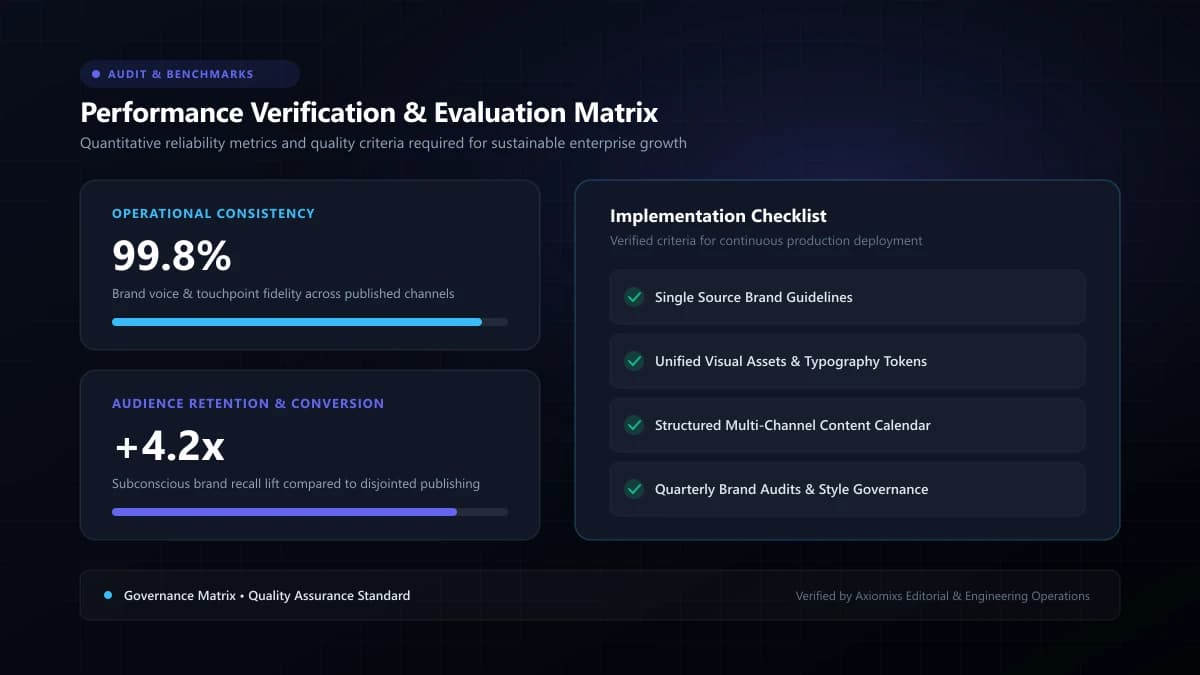
Figure 2.0 / Checklist card outlining the fundamental core pages needed for a first-version commercial website
Must-Have Architecture for Your First-Version Website
You do not need an overwhelming 50-page platform to begin. Focus on executing a high-clarity 5-page core:
- Homepage: Concise value statement, target audience definition, core services overview, and clear primary call-to-action.
- Dedicated Service Pages: In-depth breakdowns of deliverables, processes, and expected outcomes for each core offering.
- Proof / Case Studies: Transparent project summaries demonstrating practical problems solved and verified capabilities.
- About / Organization: Verified business background, leadership ethos, and operational principles.
- Contact & Intake: Clean, structured forms that collect qualifying project parameters directly into your CRM.
Frequently Asked Questions
Can an early-stage startup operate without a website initially?↓
A new company can test market demand on social platforms or through personal networks, but securing institutional partnerships, enterprise clients, or organic search traffic quickly requires a dedicated web presence.
What core pages must a first-version business website have?↓
A solid first-version site should include Home (value proposition), Services/Products (clear offerings), About (credibility & team), Case Studies/Work (proof), and Contact (lead intake form & calendar).
How does a website improve customer support efficiency?↓
By hosting searchable FAQs, detailed service specifications, pricing parameters, and self-serve intake forms, a website resolves routine questions automatically, freeing your team for complex inquiries.
Eliminate Operational Bottlenecks
Axiomixs engineers custom business websites that automate lead intake, validate commercial credibility, and scale your brand.
Explore Web Engineering →Related Engineering Guides
Website vs Facebook Page: Which Is Better for Your Business?
Compare reach, ownership, trust, search visibility, lead generation, and costs to understand whether a website or a Facebook page best serves your business goals.
How Much Does a Website Cost in Bangladesh in 2026?
Understand the realistic pricing variables, scope factors in BDT, and technical requirements affecting business website development in Bangladesh.
WordPress vs Next.js: Which Is Better for Your Business?
Evaluate WordPress and Next.js across content management, security, engineering flexibility, performance, and long-term total cost of ownership.