
Website vs Facebook Page: Which Is Better for Your Business?
Compare reach, ownership, trust, search visibility, lead generation, and costs to understand whether a website or a Facebook page best serves your business goals.
The Fundamental Difference: Rented Space vs. Owned Infrastructure
Every commercial enterprise establishing a digital presence faces an initial crossroads: should you build on a social platform like Facebook or invest in a dedicated, custom website? While both channels connect businesses with prospective buyers, they serve completely different strategic functions in your customer acquisition pipeline.
A Facebook page functions as rented land within a walled garden. You operate strictly under Meta's algorithmic rules, user interface constraints, and advertising policies. In contrast, a business website represents owned digital infrastructure. You control the architecture, the user experience, search engine indexing, analytics, and customer conversion funnels.
What a Facebook Page Does Well
Social media pages excel at community engagement, immediate customer interaction, and paid audience targeting. For early-stage verification, a Facebook page delivers specific advantages:
- Zero Initial Setup Cost: Creating a business profile takes minutes and requires no technical engineering or hosting expenditure.
- Familiar Communication Channels: Prospective customers can initiate direct inquiries via Messenger without leaving the app.
- Built-In Audience Ecosystem: Social platforms provide immediate access to discovery through groups, content shares, and paid audience segmentation.
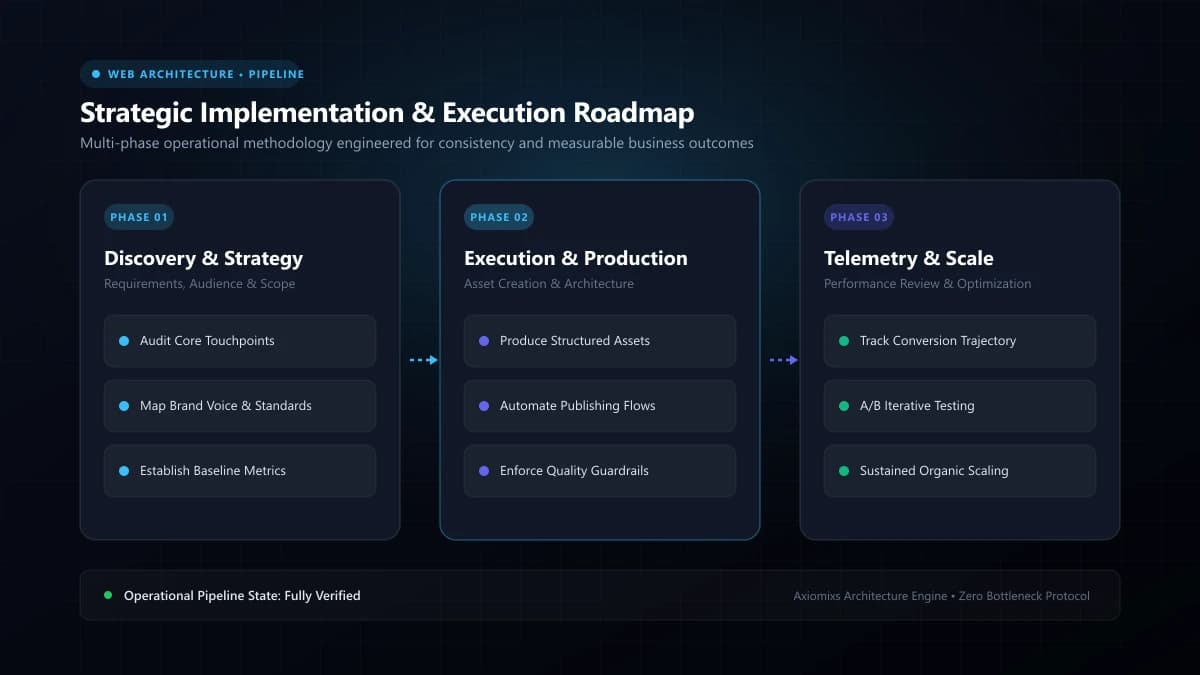
Figure 1.0 / Workflow diagram comparing user discovery and conversion funnels between social platforms and owned websites
What a Business Website Delivers That Social Pages Cannot
As a business scales, relying solely on social media exposes the organization to operational vulnerabilities. A dedicated website provides distinct business moats:
- Google Search Visibility: High-intent commercial buyers search search engines when they need specific services. A website can be indexed, ranked, and optimized for localized and global keywords.
- Brand Credibility and Professional Trust: Corporate clients, enterprise vendors, and high-value buyers view a dedicated web domain as a prerequisite for commercial legitimacy.
- Custom Conversion Funnels: Websites allow you to build custom booking calendars, interactive calculators, checkout flows, and automated CRM integrations.
- Direct Data Ownership: With a website, your team owns the analytics data, conversion event logs, and customer contacts without third-party platform mediation.
Direct Comparison: Website vs. Facebook Page
| Evaluation Dimension | Dedicated Business Website | Facebook Business Page |
|---|---|---|
| Asset Ownership | 100% owned domain, code, and content assets | Rented platform space subject to policy shifts |
| Organic Search (SEO) | Eligible for top Google search rankings & rich snippets | Limited to profile indexing inside search results |
| Conversion Flexibility | Custom forms, funnels, webhooks, and payment rails | Pre-set CTA buttons (Send Message, Call Now) |
| Analytics & Tracking | Full first-party telemetry, GA4, custom server logging | Aggregated platform metrics and constrained data access |
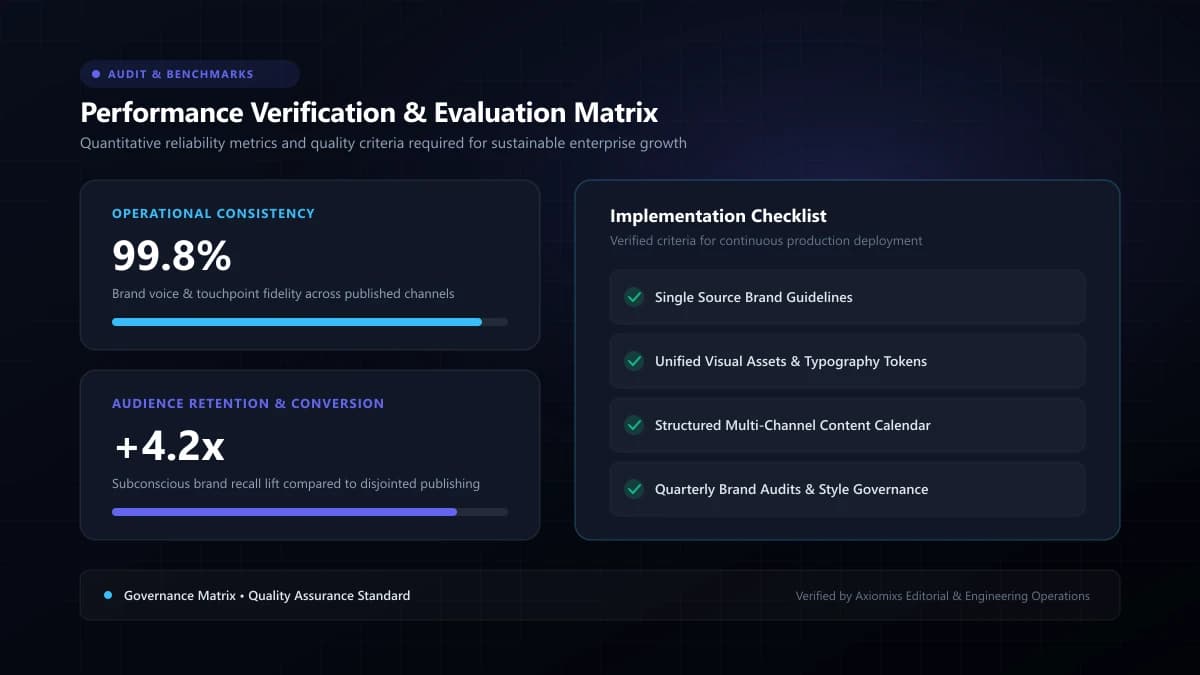
Figure 2.0 / Feature matrix table highlighting platform ownership, search indexing, and lead capture controls
The Combined Strategy: How Modern Brands Maximize Both
Rather than viewing this as an either-or choice, mature organizations treat social media as a distribution channel that funnels traffic into an owned website hub. Social posts and paid ad campaigns generate top-of-funnel awareness, while the website handles technical validation, deep case study presentation, and high-conversion lead capture.
Migration Checklist: Transitioning from Social-Only to an Owned Site
If your business currently operates solely through a Facebook page, follow this sequential roadmap to transition safely:
- Register a dedicated company domain matching your official legal entity or brand name.
- Audit your most frequent social inquiries to define the core pages required: Services, Portfolio/Work, About, and Contact.
- Integrate an automated CRM or form routing system to capture inquiries directly into your internal workflow.
- Add your new canonical website link to all social media headers, bio sections, and automated auto-responders.
Frequently Asked Questions
Can a Facebook Page completely replace a business website?↓
While a Facebook Page offers immediate access to an existing user base, it cannot replace a website because you do not own the platform, cannot customize customer journeys, and miss high-intent organic search traffic from Google.
Do small local businesses still need a dedicated website?↓
Yes. Even small businesses benefit from a dedicated website because prospective buyers search Google to verify legitimacy, check pricing, view portfolios, and book appointments without social media login barriers.
What is the biggest operational risk of relying solely on Facebook?↓
Platform dependency is the greatest risk: algorithmic reach changes, account suspensions, policy updates, and lack of customer database ownership can halt inbound leads overnight.
Ready for an Owned Web Presence?
Axiomixs designs and engineers high-performance web applications and business platforms that give your brand complete digital ownership.
Explore Web Development Services →Related Engineering Guides
How Much Does a Website Cost in Bangladesh in 2026?
Understand the realistic pricing variables, scope factors in BDT, and technical requirements affecting business website development in Bangladesh.
7 Signs Your Business Needs a Professional Website
Discover the telltale operational and commercial bottlenecks that signal your company has outgrown social media and needs a dedicated website.
WordPress vs Next.js: Which Is Better for Your Business?
Evaluate WordPress and Next.js across content management, security, engineering flexibility, performance, and long-term total cost of ownership.