
How to Choose the Right Web Development Agency
A practical buyer's guide and evaluation framework to assess engineering capabilities, ownership clauses, technical standards, and agency red flags.
The High Cost of Hiring the Wrong Technical Partner
Selecting a web development partner is one of the highest-leverage operational decisions a business makes. A competent agency builds a high-converting, resilient digital asset that powers growth for years. Conversely, choosing the wrong vendor frequently results in delayed timelines, blown budgets, insecure codebases, and platforms that must be scrapped and rebuilt from scratch.
Too many companies evaluate web agencies purely on superficial design mockups and price tags. To safeguard your investment, you must evaluate technical methodology, intellectual property terms, and engineering rigor.
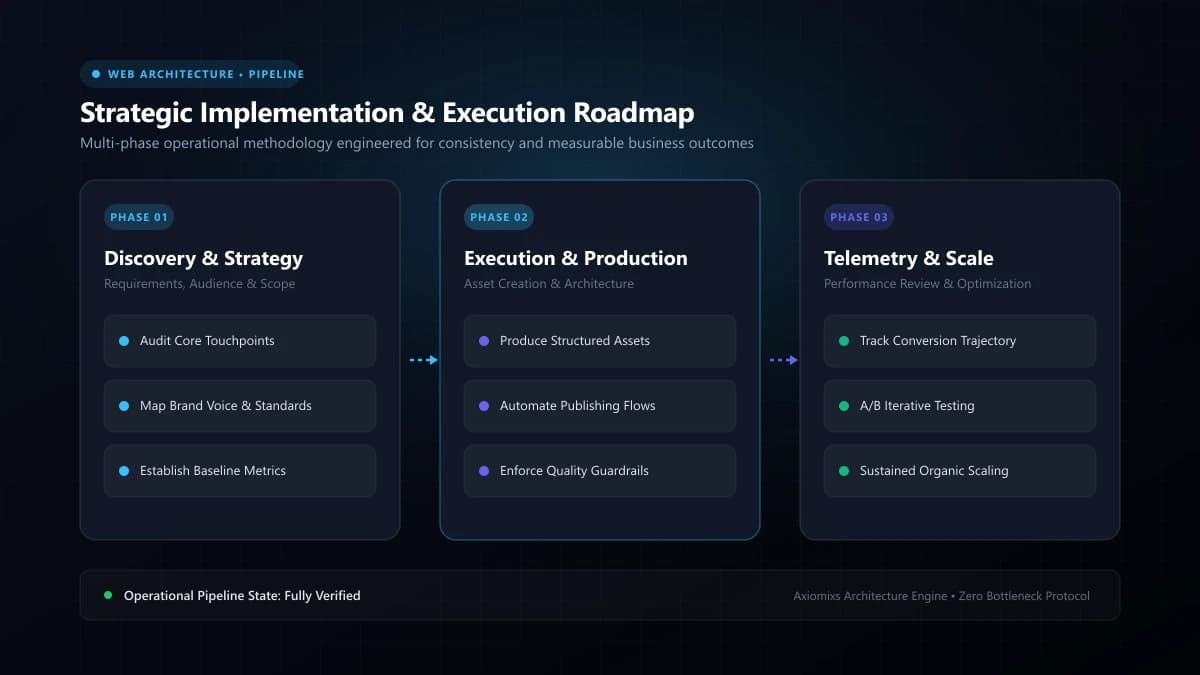
Figure 1.0 / Evaluation pipeline flowchart guiding commercial buyers through portfolio auditing, technical vetting, and contract review
Step 1: Define Project Goals and Functional Boundaries First
Before soliciting proposals, draft an internal scope brief outlining what the website must accomplish commercially:
- What specific actions must visitors take (lead form submission, demo booking, online purchase)?
- What third-party software must integrate seamlessly (CRM, email marketing, ERP, localized payment gateways)?
- What content editing capabilities must your internal team maintain independently?
- What are your non-negotiable performance, accessibility, and internationalization requirements?
Step 2: Scrutinize Relevant Case Studies and Live Code
Do not settle for static screenshots in a PDF portfolio. Request links to live, active web applications the agency engineered. Test these live URLs thoroughly:
- Run Google PageSpeed Insights: Does the site score above 85 on mobile devices, or is it weighed down by render-blocking scripts?
- Inspect Mobile Responsiveness: Test navigation menus, form inputs, and typography on varied screen sizes.
- Check Domain & SSL Hygiene: Are security certificates properly configured and is HTTP redirected cleanly to HTTPS?
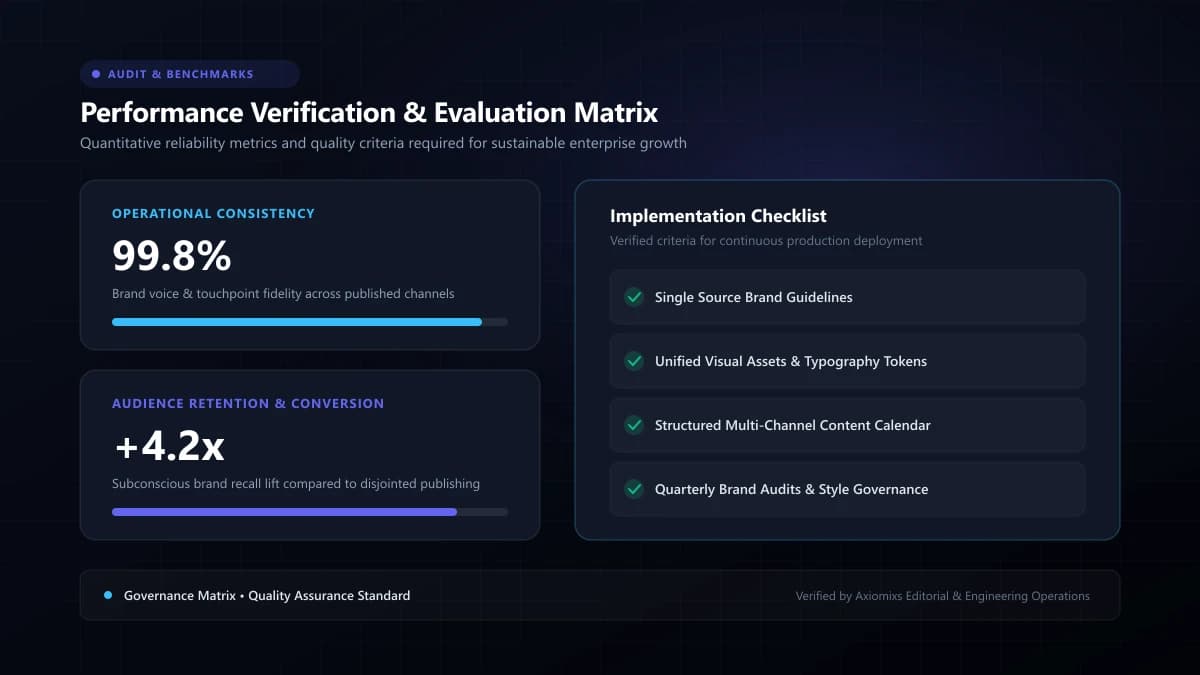
Figure 2.0 / Checklist of contractual red flags and critical intellectual property ownership requirements
Step 3: Essential Technical Questions to Ask Before Signing
| Critical Inquiry | Acceptable Professional Response | Warning / Red Flag Response |
|---|---|---|
| Source Code Ownership | "You hold full IP rights and direct access to the Git repository upon milestone payment." | "We host the code on our proprietary server; you pay a monthly license fee." |
| Technology Selection | "We recommend Next.js/React or Headless CMS based on your speed and scalability requirements." | "We use our secret in-house custom CMS that only our developers can update." |
| SEO Architecture | "Semantic HTML, dynamic OpenGraph metadata, structured JSON-LD, and SSR output." | "SEO isn't part of web development; hire an external marketer later." |
| Warranty & Handover | "30-day bug warranty with full team video walkthroughs and architectural documentation." | "Once deployed, any adjustments or bug fixes require an expensive new contract." |
Step 4: Contractual Red Flags to Guard Against
If an agency displays any of the following behaviors during the discovery phase, proceed with extreme caution:
- Unwillingness to Put Hosting and Domain in Your Name: You must always own the billing accounts for domains, DNS, and hosting servers.
- Refusal to Detail Work Breakdown Structures (WBS): Transparent agencies provide itemized milestones detailing design, development, integration, QA, and launch phases.
- Guaranteed #1 Google Rankings: No ethical engineering or SEO agency guarantees arbitrary search engine rankings. Legitimate partners focus on technical eligibility, site speed, and content relevance.
Frequently Asked Questions
Who should legally own the website code, domain, and assets after launch?↓
Your business must own 100% of the intellectual property, source code repositories (e.g., GitHub), domain accounts, and hosting credentials. An agency should never hold your digital assets hostage.
What is the single biggest red flag when evaluating web agency proposals?↓
Vague, one-line scope descriptions combined with unrealistic delivery guarantees (e.g., 'complete custom enterprise web app in 7 days for $200') consistently indicate low-quality offshore template reselling.
Should an agency include post-launch warranty and bug fixes?↓
Yes. Reputable engineering firms include a defined warranty period (typically 30 to 90 days post-launch) covering software bugs, broken links, or performance regressions identified in the original agreed scope.
Partner with an Engineering-First Agency
Axiomixs delivers transparent software engineering, complete client asset ownership, and rigorous quality assurance across every build.
Schedule an Architectural Review →Related Engineering Guides
Website vs Facebook Page: Which Is Better for Your Business?
Compare reach, ownership, trust, search visibility, lead generation, and costs to understand whether a website or a Facebook page best serves your business goals.
How Much Does a Website Cost in Bangladesh in 2026?
Understand the realistic pricing variables, scope factors in BDT, and technical requirements affecting business website development in Bangladesh.
7 Signs Your Business Needs a Professional Website
Discover the telltale operational and commercial bottlenecks that signal your company has outgrown social media and needs a dedicated website.