
When Should a Small Business Invest in Business Management Software?
Recognize the operational tipping points that indicate your business has outgrown fragmented spreadsheets and requires unified management software.
The Spreadsheet Ceiling: How Ad-Hoc Systems Break Down
Every successful company begins with spreadsheets. In the early days, a shared Google Sheet or Excel workbook is nimble, free, and accessible. However, as transaction volume grows and team headcounts expand, spreadsheets hit a hard operational ceiling.
Formulas get accidentally overwritten; historical customer notes vanish; team members maintain conflicting local versions; and leadership lacks real-time visibility into operational health. Recognizing when you have hit this ceiling is critical to preventing costly operational breakdowns.
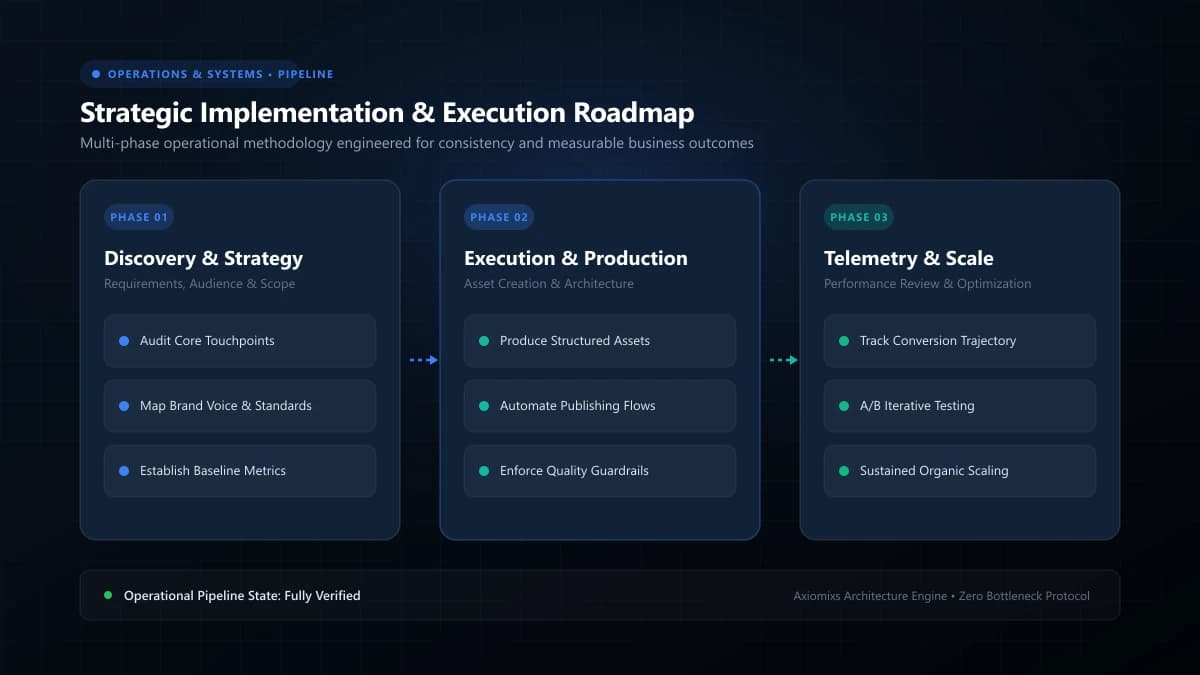
Figure 1.0 / System evolution diagram tracking the transition from spreadsheets to point tools and unified management software
5 Telltale Signals It's Time to Invest in Management Software
1. Data Duplication Across Disconnected Silos
If customer information is manually entered in an email marketing tool, re-typed into an accounting program, and copied into a delivery spreadsheet, your team is wasting hours on redundant clerical work while creating fragmented customer records.
2. Critical Client Tasks and Follow-Ups Fall Through the Cracks
When team handoffs rely on verbal reminders, email threads, or sticky notes, customer inquiries and delivery milestones inevitably get missed, harming client retention and brand reputation.
3. You Cannot Restrict Sensitive Data Access
In a standard spreadsheet, anyone with access to the document can view everyone's salaries, company profit margins, and proprietary pricing. Dedicated management software provides granular role-based access control (RBAC), ensuring team members view only the data necessary for their role.
4. Generating Monthly Reports Takes Days of Manual Assembly
If producing an executive report on monthly revenue, pipeline conversion, or operational bottlenecks requires spending a full weekend exporting CSV files and merging tables, your business lacks unified data intelligence.
5. Customer History Is Trapped in Individual Employee Inboxes
If an account manager goes on vacation or leaves the company, does their entire client communication history leave with them? Centralized management software preserves institutional memory by logging all client communications, invoices, and project milestones in one shared record.
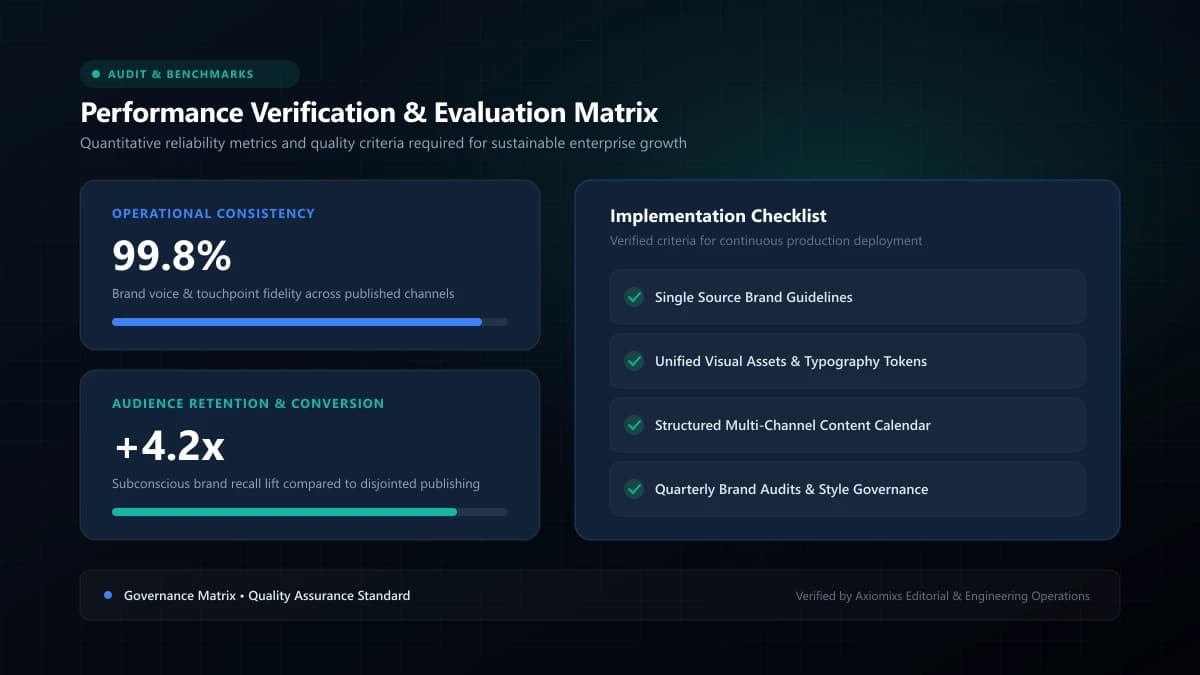
Figure 2.0 / Readiness assessment scorecard evaluating organizational process maturity and software implementation timing
Software Readiness Evaluation Matrix
| Company Maturity Stage | Primary Tooling Foundation | Core Operational Focus |
|---|---|---|
| Early Validation (1–3 staff) | Google Workspace / Spreadsheets / WhatsApp | Validating offer and acquiring initial clients. |
| Growing Team (4–15 staff) | Centralized CRM + Project Management Software | Standardizing sales pipelines and project handoffs. |
| Scaling Enterprise (15+ staff) | Unified Business Management Software / Custom Platform | Role permissions, automated telemetry, and audit reporting. |
How to Ensure Successful Software Adoption
Software alone never fixes operational dysfunction. Follow these implementation principles:
- Standardize the Workflow First: Document the exact steps, stages, and criteria on paper before configuring software menus.
- Designate an Internal Champion: Assign a dedicated project lead responsible for system hygiene and team questions.
- Conduct Live Hands-On Training: Walk team members through real client scenarios and provide concise screen-recorded SOPs.
Frequently Asked Questions
When should a company transition away from Google Sheets or Excel?↓
When multiple team members overwrite shared cells, when customer histories become fragmented across files, or when permissions require restricting specific financial data from general staff.
Should a small business adopt an all-in-one ERP immediately?↓
Rarely. Massive enterprise ERP systems (like SAP or Oracle) are notoriously bloated and complex for small businesses. A focused, modern business management software or tailored CRM fits small organizations far better.
What is the biggest cause of software implementation failure?↓
Lack of team training and executive process clarity. If management does not enforce consistent system usage, staff revert to personal spreadsheets within weeks.
Unify Your Company's Core Operations
Axiomixs consults on and develops tailored business management systems that unify client tracking, operations, and reporting.
Explore Business Systems →Related Engineering Guides
Custom Software vs Ready-Made Business Software: How to Decide
A comprehensive build-versus-buy decision framework evaluating licensing costs, workflow fit, intellectual property, and long-term scalability.
7 Business Processes Small Businesses Should Automate
Identify repetitive administrative bottlenecks and implement reliable automated workflows across lead routing, invoicing, and customer onboarding.
How Business Automation Saves Time and Reduces Manual Work
Discover the mathematical return on investment of workflow automation, how to calculate time savings, and how to eliminate human data entry errors.