
Technical SEO vs On-Page SEO: What's the Difference?
Understand how technical infrastructure and on-page content optimization work together to build strong search visibility and rankings.
The Two Halves of Organic Search Success
Search engine optimization is frequently treated as a singular discipline. In reality, it consists of distinct specializations that address different parts of the search engine discovery cycle. Two of the most vital are Technical SEO and On-Page SEO.
Think of your website as a physical retail establishment: Technical SEO is the structural architecture—the foundation, electrical wiring, plumbing, and accessibility ramps that make the building safe, accessible, and functional. On-Page SEO is the interior merchandising—the window displays, product descriptions, shelf organization, and persuasive signage that engage customers and close sales.
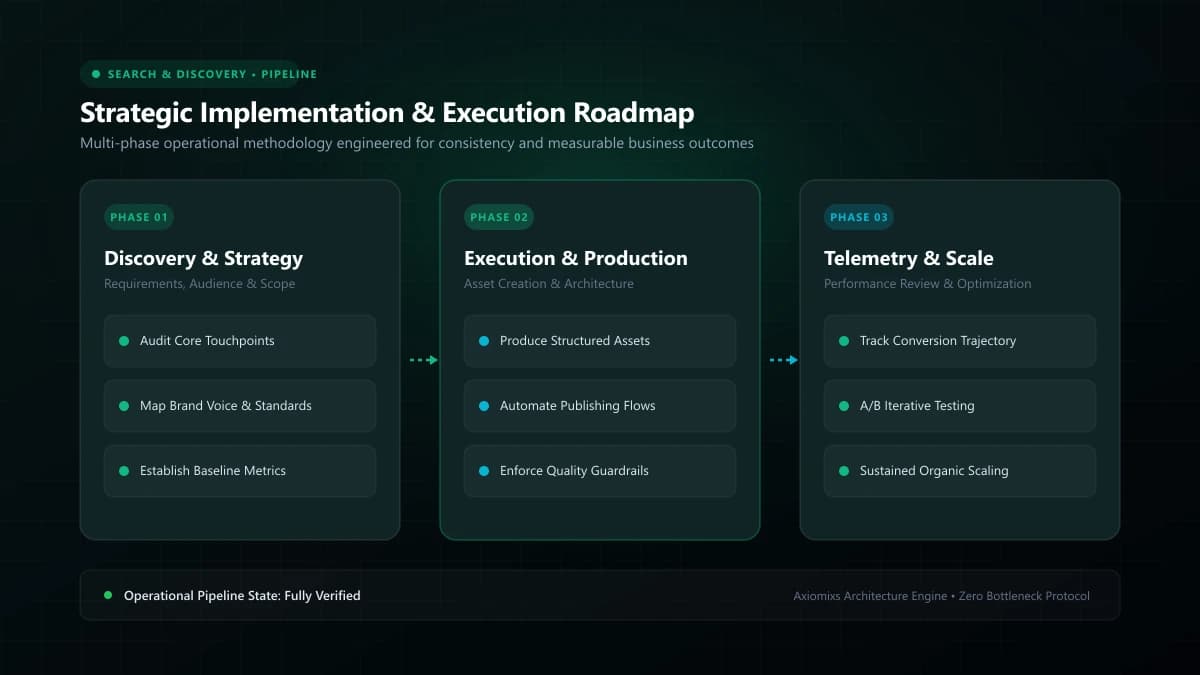
Figure 1.0 / System pipeline diagram illustrating how search engine crawlers process technical protocols before indexing content
What Is Technical SEO?
Technical SEO encompasses all server-side and code-level optimizations that enable search engine spiders to efficiently crawl, render, parse, and index your website. It is largely invisible to human readers but critical for search bots.
- Crawlability & Architecture: Managing crawl budget,
robots.txtinstructions, and dynamic XML sitemaps. - Server & Protocol Health: Fast Time to First Byte (TTFB), valid SSL/TLS certificates, clean 301 redirect chains, and custom 404 handling.
- Rendering Mechanics: Server-side rendering (SSR), incremental static regeneration (ISR), and preventing client-side JavaScript rendering delays.
- Structured Data (Schema Markup): JSON-LD implementation for Organization, WebSite, Service, BlogPosting, and BreadcrumbList entities.
What Is On-Page SEO?
On-Page SEO focuses on optimizing the visible content, structure, and user experience of individual web pages to satisfy search intent and rank for targeted commercial and informational keywords.
- Search Intent Alignment: Ensuring the content format (guide, product comparison, service overview) directly matches what the user seeks.
- HTML Metadata Hierarchy: Unique title tags, compelling meta descriptions, single H1 tags, and contextual H2/H3 subheadings.
- Content Depth & Utility: Direct answers, expert insights, structured checklists, comparison tables, and practical examples.
- Internal Link Context: Strategic anchor-text links that connect related topics and guide users through conversion funnels.
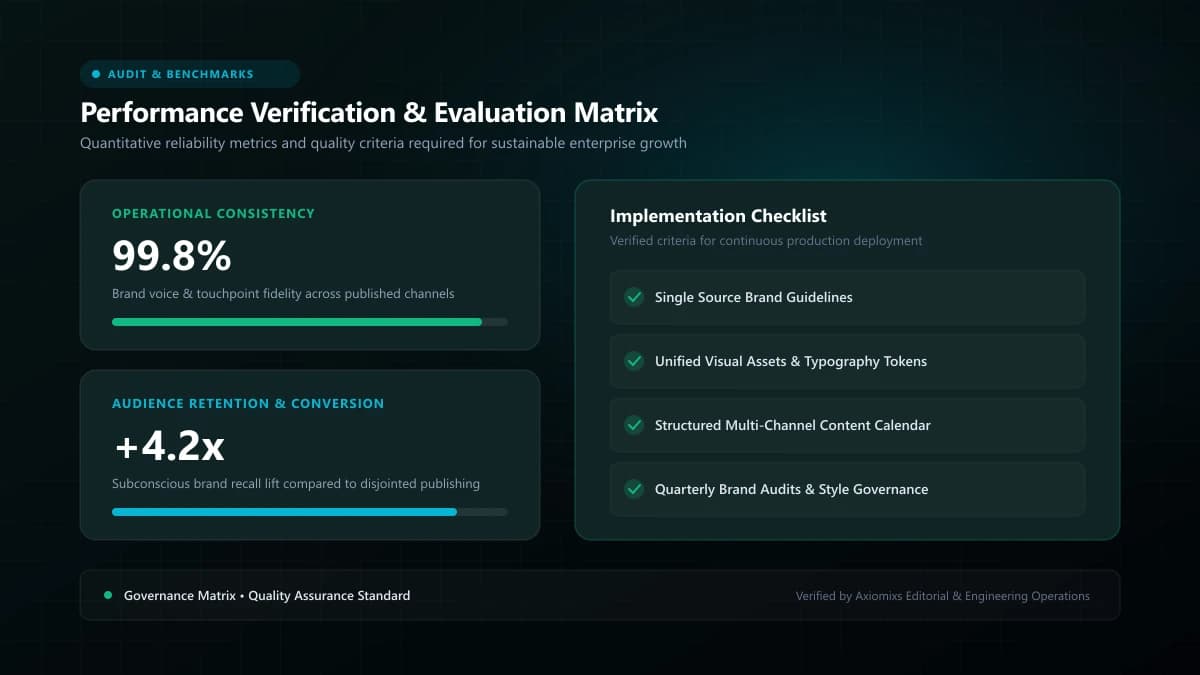
Figure 2.0 / Comparison matrix summarizing tasks, audit tools, and responsibilities for technical vs on-page SEO
Direct Comparison: Technical SEO vs. On-Page SEO
| Dimension | Technical SEO | On-Page SEO |
|---|---|---|
| Primary Target | Search engine crawlers and rendering engines | Human searchers and semantic algorithms |
| Core Objective | Ensure pages can be crawled, parsed, and indexed rapidly | Ensure pages satisfy intent and rank for specific queries |
| Key Focus Areas | Server speed, SSR/SSG, schema, sitemaps, robots.txt, canonicals | Headings, body copy, image alts, keyword placement, FAQs |
| Primary Stakeholders | Full-stack software engineers and DevOps specialists | Content strategists, copywriters, and SEO leads |
The Recommended Audit Order for Maximum Impact
When optimizing or revitalizing a business website, follow this sequential audit order:
- Step 1: Technical Audit: Fix critical 4xx/5xx errors, remove accidental
noindextags, configure self-referencing canonicals, and optimize Core Web Vitals. - Step 2: Architecture & Internal Linking: Build a clean URL hierarchy and ensure no orphaned pages exist.
- Step 3: On-Page Optimization: Update page titles, meta descriptions, and heading tags across high-value commercial routes.
- Step 4: Content Expansion: Publish comprehensive articles addressing long-tail informational queries that support your core service pages.
Frequently Asked Questions
Can great on-page content rank without strong technical SEO?↓
Rarely in competitive categories. If technical problems (like render-blocking code, slow server responses, or indexing directives) prevent Google from crawling your HTML efficiently, even world-class content remains undiscovered.
Which should a business fix first: technical errors or on-page copy?↓
Always audit and resolve critical technical roadblocks first (such as 404 loops, crawl blocks, and canonical conflicts), as they dictate whether search bots can access and index your on-page copy.
What tools are used for technical SEO vs on-page SEO?↓
Technical SEO utilizes Google Search Console, Screaming Frog, and server log analyzers. On-page SEO relies on keyword research tools, SERP analyzers, and editorial content guidelines.
Unify Your Technical and Content SEO
Axiomixs bridges software engineering and editorial strategy, ensuring your site is flawlessly crawlable and contextually compelling.
Request an SEO Architecture Audit →Related Engineering Guides
Why Is Your Website Not Ranking on Google?
Diagnose indexing barriers, crawl blockages, content mismatch, and authority deficits using a structured technical troubleshooting tree.
A Practical SEO Checklist for Small Businesses
A prioritised, actionable SEO roadmap designed for small businesses to build technical foundations, publish high-intent content, and measure growth.
Local SEO for Small Businesses: A Beginner's Guide
Learn how local search works, how to configure your Google Business Profile legitimately, and how to build local authority without spam tactics.