

How to Create a Monthly Video Content Strategy
A practical 4-week framework for small teams to batch scripts, film footage, edit deliverables, and maintain consistent video distribution.
The Inefficiency of Single-Video Production
The primary reason businesses abandon video marketing after two weeks is operational friction: setting up lighting, configuring microphones, and setting up cameras to film a single 30-second video is exhausting and unsustainable.
Professional media teams never produce videos one by one. They operate on a batch-production model: dedicating one day a month to scripting, one morning to filming, and structured sprints to editing and scheduling.
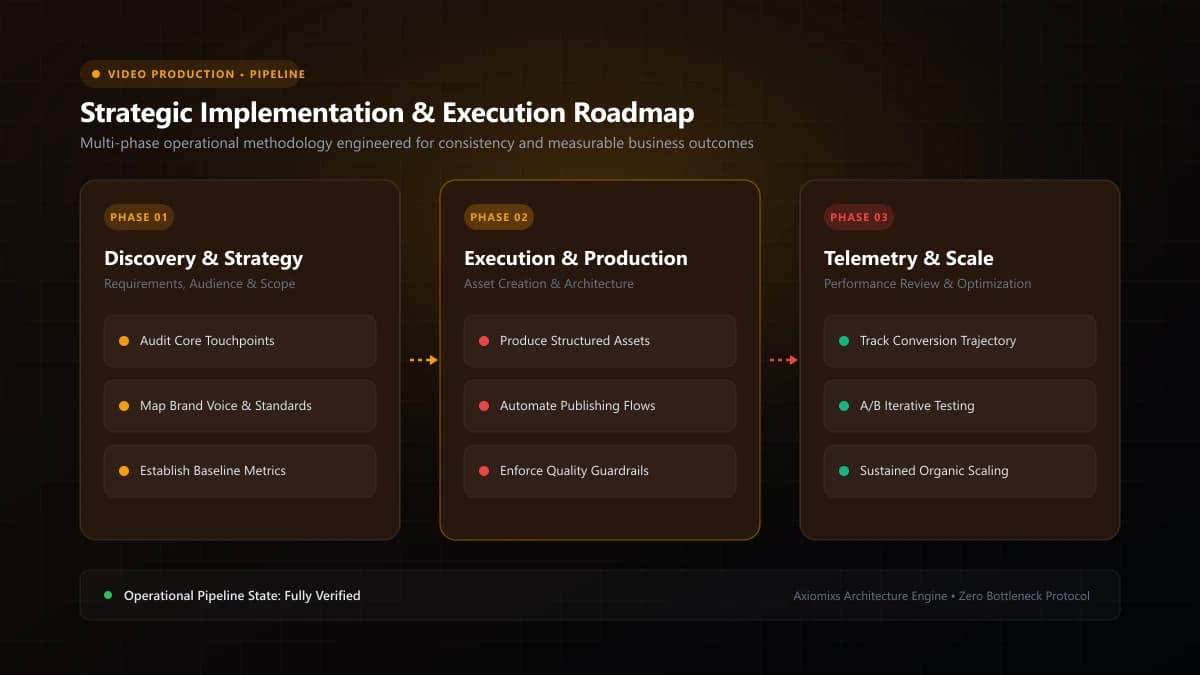
Figure 1.0 / Batch production workflow showing how a single 4-hour shoot yields 12 to 16 polished short videos
The 4-Week Monthly Production Cycle
| Production Phase | Primary Objective | Deliverables Generated |
|---|---|---|
| Week 1: Research & Scripting | Customer pain point mining & concept drafting | 10 approved outline scripts with explicit visual hooks |
| Week 2: The Batch Shoot | Dedicated 3-to-4-hour studio filming block | Raw A-roll talking-head takes and supporting B-roll footage |
| Week 3: Editing Sprint | Pacing, color correction, audio mastering, subtitles | First-cut reviews and final rendered exports |
| Week 4: Scheduling & Review | Queue scheduling across platforms & analytics audit | All 10 videos scheduled with tailored captions and thumbnails |
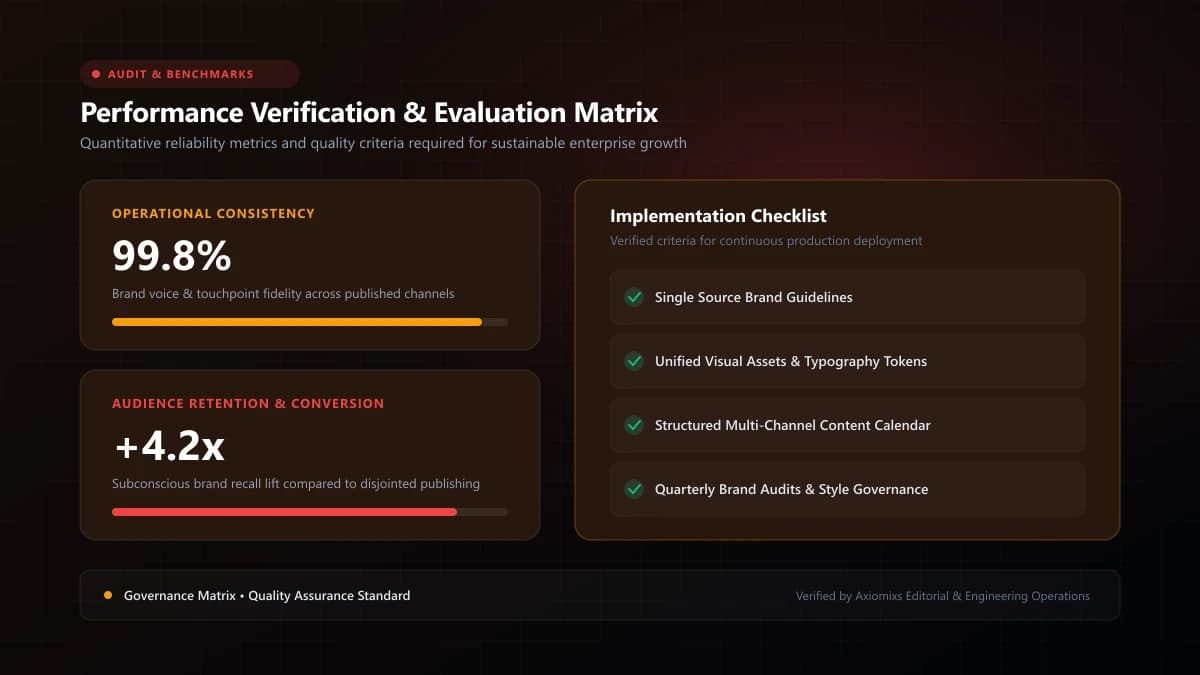
Figure 2.0 / Content approval and QA scorecard verifying audio mastering, color grading, and subtitle accuracy
How to Script 10 Videos in 2 Hours
Do not attempt to write full Shakespearean prose. Use this modular 3-part bullet framework for each script:
- The Hook (Line 1): Call out the exact audience and the frustrating problem they face (e.g., "If your website gets traffic but zero phone calls, check this setting today.").
- The Breakdown (3 Bullets): State the solution, why it works, and common mistakes to avoid.
- The Action (Line 3): Give one clear, unambiguous next step for the viewer.
Studio Setup Hygiene: Eliminate Daily Setup Drag
If you must assemble and disassemble your recording gear every single time you record, you will procrastinate. If possible, designate a dedicated permanent recording corner in your office with marked tripod positions, preset audio gain levels, and fixed softbox lighting. Lowering physical setup friction is the secret to sustained output.
Frequently Asked Questions
How many videos should a business realistically publish each month?↓
For most growing brands, 8 to 12 short-form videos per month (2 to 3 per week) balances consistency with high production standards without overwhelming team capacity.
How long does a batch filming session take?↓
A disciplined 3-to-4-hour filming block, executed with pre-written outline scripts and preset lighting, comfortably yields 8 to 12 completed short-form video recordings.
What is the best way to organize video assets across a distributed team?↓
Utilize structured cloud folders (e.g., Google Drive or Frame.io) organized by Year > Month > Post Slug, with dedicated subfolders for Raw Footage, Audio, Draft Cuts, and Final Approved Renders.
Scale Your Monthly Video Production
Axiomixs partners with businesses to turn raw footage into a steady pipeline of polished, high-converting social and brand videos.
Plan Your Video Strategy →Related Engineering Guides
How Short-Form Videos Help Businesses Reach More Customers
Learn how vertical short-form video content drives discovery, brand recall, and customer acquisition across Instagram Reels, YouTube Shorts, and TikTok.
7 Video Editing Mistakes That Make Business Content Look Unprofessional
Identify and eliminate amateur editing habits including muddy audio, chaotic pacing, unreadable captions, and inconsistent brand framing.
Product Video Ideas for E-commerce Brands
12 creative, high-converting product video concepts that answer buyer questions, reduce return rates, and accelerate online store sales.