
How to Measure SEO Results Beyond Rankings
Discover why tracking keyword positions alone is misleading, and how to measure true organic search ROI through qualified traffic, clicks, and conversions.
The Ranking Trap: Why Position #1 Doesn't Guarantee Revenue
For decades, SEO agencies sold clients on a single vanity metric: keyword rankings. Business owners were celebrated for ranking #1 for arbitrary phrases, only to wonder why their monthly revenue and incoming phone inquiries barely moved.
In modern search, keyword rank tracking has fundamental limitations: search results are personalized based on user location, search history, and device type; AI overviews and featured snippets push organic listings down the page; and ranking for a keyword with zero commercial intent generates vanity traffic that never converts into paying clients.
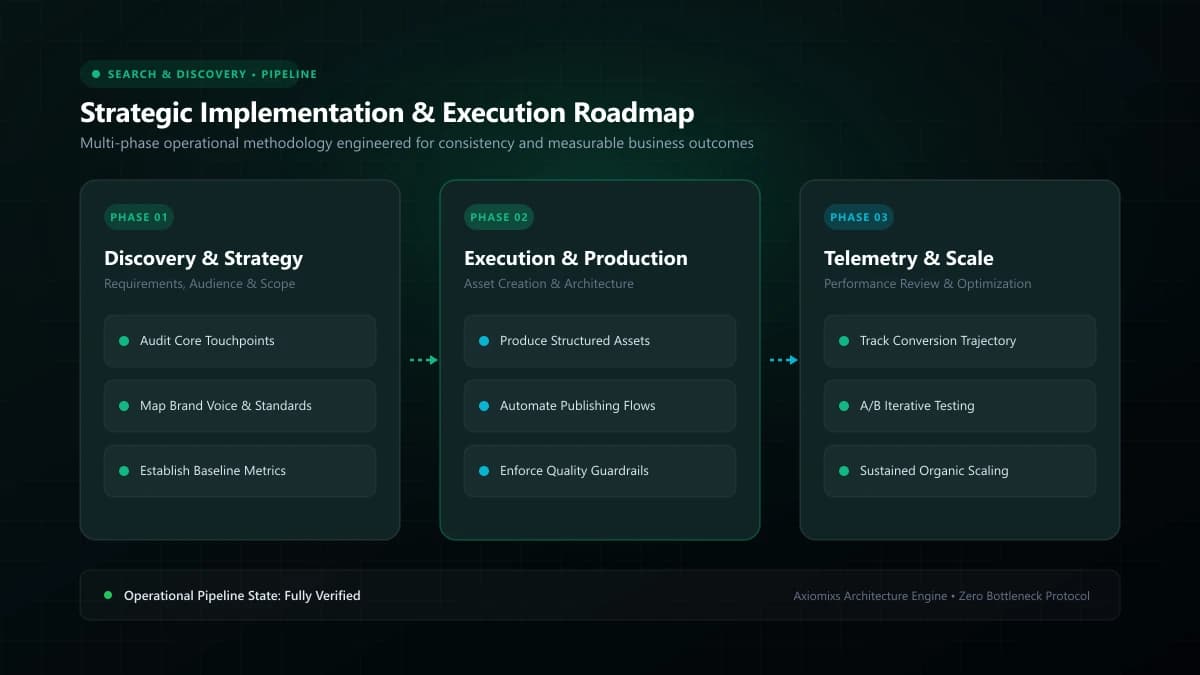
Figure 1.0 / Metric hierarchy diagram mapping top-of-funnel impressions down to qualified sales opportunities and revenue
The Commercial SEO Measurement Hierarchy
To evaluate the true return on investment (ROI) of your SEO initiatives, transition from tracking rankings to measuring this four-tier commercial hierarchy:
- Visibility (Impressions): Are your target service pages appearing in search results when prospective clients search for your core capabilities?
- Engagement (Clicks & CTR): Are your title tags and meta descriptions compelling enough to earn qualified user visits?
- Intent (Branded vs. Non-Branded Queries): Is your organic search footprint acquiring new prospects who had never heard of your brand before?
- Commercial Outcomes (Leads & Sales): How many consultation bookings, form submissions, and phone calls originate directly from organic search landing pages?
Key Performance Indicators (KPIs) That Actually Matter
| Search KPI | Measurement Source | Strategic Business Significance |
|---|---|---|
| Non-Branded Clicks | Google Search Console | Measures net-new discovery from prospects looking for services rather than your brand name. |
| Organic Lead Conversions | Google Analytics 4 / CRM | Validates whether organic visitors are taking commercial action (submitting forms, booking calls). |
| Average Click-Through Rate (CTR) | Google Search Console | Reflects the persuasive strength and relevance of your title tags and meta descriptions in search results. |
| Qualified Pipeline Value | Integrated CRM (e.g., GHL) | Tracks the actual monetary deal value generated by inbound organic search inquiries. |
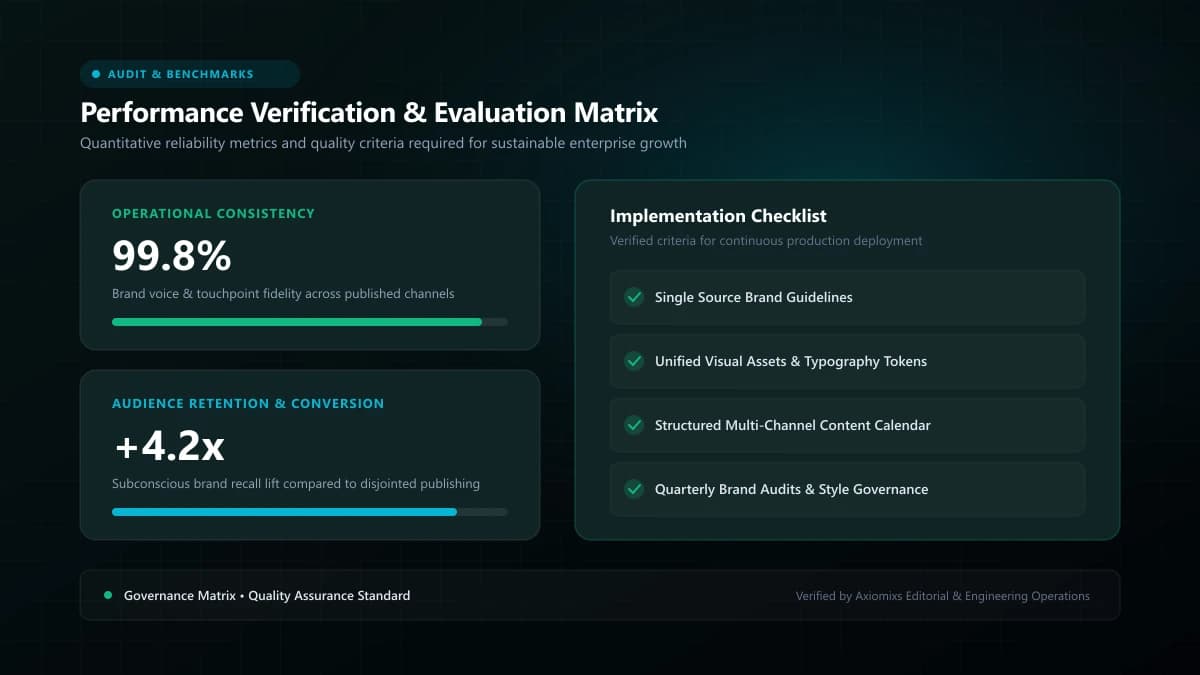
Figure 2.0 / Reporting matrix distinguishing vanity metrics like keyword rankings from business indicators like qualified lead volume
How to Set Up Accurate Conversion Tracking in GA4
Traffic without conversion tracking is blind. Ensure your analytics environment is configured to track specific high-intent milestones:
- Form Submission Events: Trigger custom events when a lead successfully completes a consultation or quote request form.
- Appointment Booking Triggers: Track embedded calendar confirmations (e.g., Cal.com, Calendly, or GoHighLevel calendars).
- Click-to-Call & Email Links: Monitor direct interactions on mobile phone numbers and corporate contact emails.
Establishing a Realistic Reporting Cadence
Avoid inspecting daily ranking movements, which fluctuate naturally due to algorithm testing and data center delays. Instead, adopt a monthly reporting cadence that compares year-over-year (YoY) and quarter-over-quarter (QoQ) trends to filter out seasonal anomalies and measure sustained organic trajectory.
Frequently Asked Questions
Why can keyword rankings rise while commercial leads remain flat?↓
This occurs when SEO campaigns target high-volume informational terms with low buyer intent, when landing pages lack compelling conversion funnels, or when search rankings are personalized and not generating actual human clicks.
What is the single most accurate tool for tracking organic search traffic?↓
Google Search Console is the most authoritative tool for search data, providing raw, first-party impressions, clicks, and click-through rates (CTR) directly from Google's servers without privacy sampling.
How do you separate branded search traffic from non-branded discovery?↓
In Google Search Console, use query filters with regex to exclude your company name and common misspellings. Non-branded traffic represents true new-customer acquisition driven by organic relevance.
Data-Driven SEO That Delivers Commercial Impact
Axiomixs builds transparent SEO measurement systems that connect organic search visibility to tangible business inquiries and revenue.
Review Your SEO Metrics →Related Engineering Guides
Why Is Your Website Not Ranking on Google?
Diagnose indexing barriers, crawl blockages, content mismatch, and authority deficits using a structured technical troubleshooting tree.
A Practical SEO Checklist for Small Businesses
A prioritised, actionable SEO roadmap designed for small businesses to build technical foundations, publish high-intent content, and measure growth.
Local SEO for Small Businesses: A Beginner's Guide
Learn how local search works, how to configure your Google Business Profile legitimately, and how to build local authority without spam tactics.