
Organic Social Media vs Paid Advertising: Which Fits Your Business?
Compare organic community building and paid advertising campaigns across cost, speed, targeting precision, scalability, and long-term business equity.
The Growth Paradox: Instant Speed vs. Compounding Equity
Business leaders frequently debate whether to pour capital into paid social media advertising (Meta Ads, LinkedIn Ads, YouTube Ads) or invest in organic social media presence. Marketers often treat these two approaches as competing philosophies.
In reality, organic social media and paid advertising solve completely different commercial challenges. Paid advertising is an accelerant—it purchases immediate attention on demand. Organic social is an authority engine—it builds long-term credibility, customer retention, and brand trust.
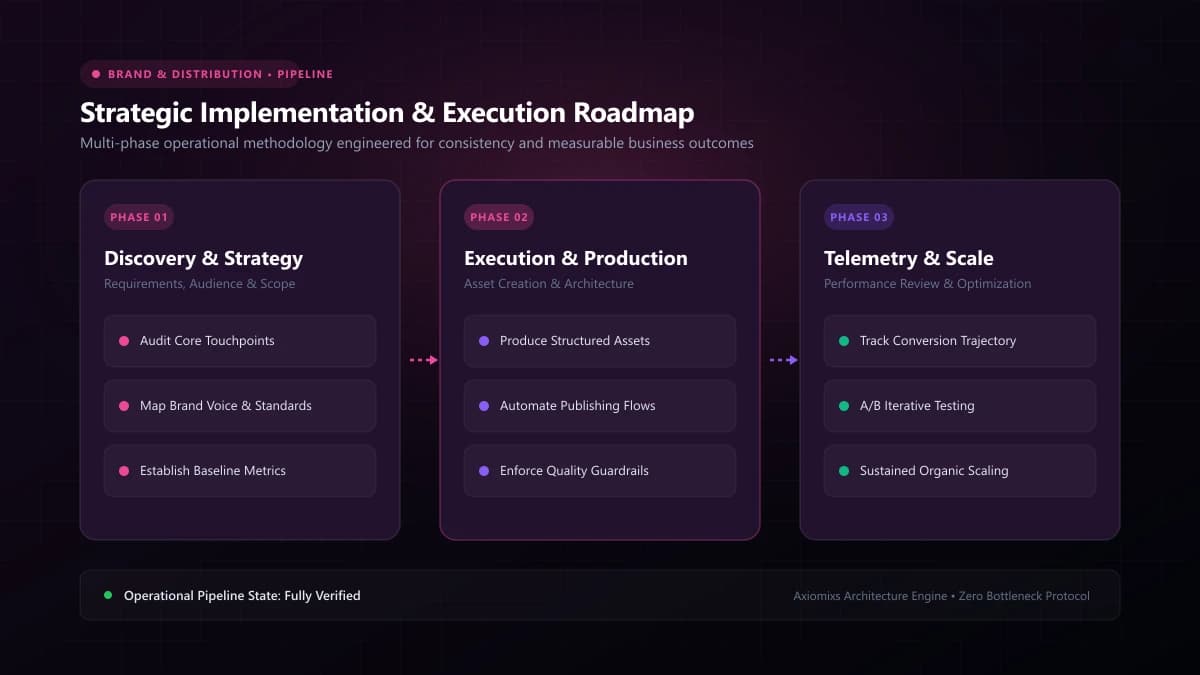
Figure 1.0 / Channel integration workflow demonstrating how top-performing organic posts feed into paid advertising funnels
Organic Social Media: Strengths and Strategic Tradeoffs
Organic social consists of public posts, reels, carousels, and community dialogues distributed without paid media amplification.
- Key Advantages: High brand trust; direct dialogue with existing customers; serves as a digital storefront for prospects researching your reputation; zero ad platform click costs.
- Structural Constraints: Compounding requires months of consistent execution; algorithms constrain non-promoted business reach (often under 5% of follower counts); cannot target specific external prospect lists on demand.
Paid Social Advertising: Strengths and Strategic Tradeoffs
Paid campaigns pay platforms directly to place your video, image, or lead generation ads into the feeds of tightly targeted audiences.
- Key Advantages: Immediate delivery to target demographics; laser precision (job titles, industries, geographic radii); highly scalable; easily measurable attribution.
- Structural Constraints: Requires continuous cash expenditure; ad creative experiences rapid audience fatigue; high ad costs without a proven landing page lead to wasted budget.
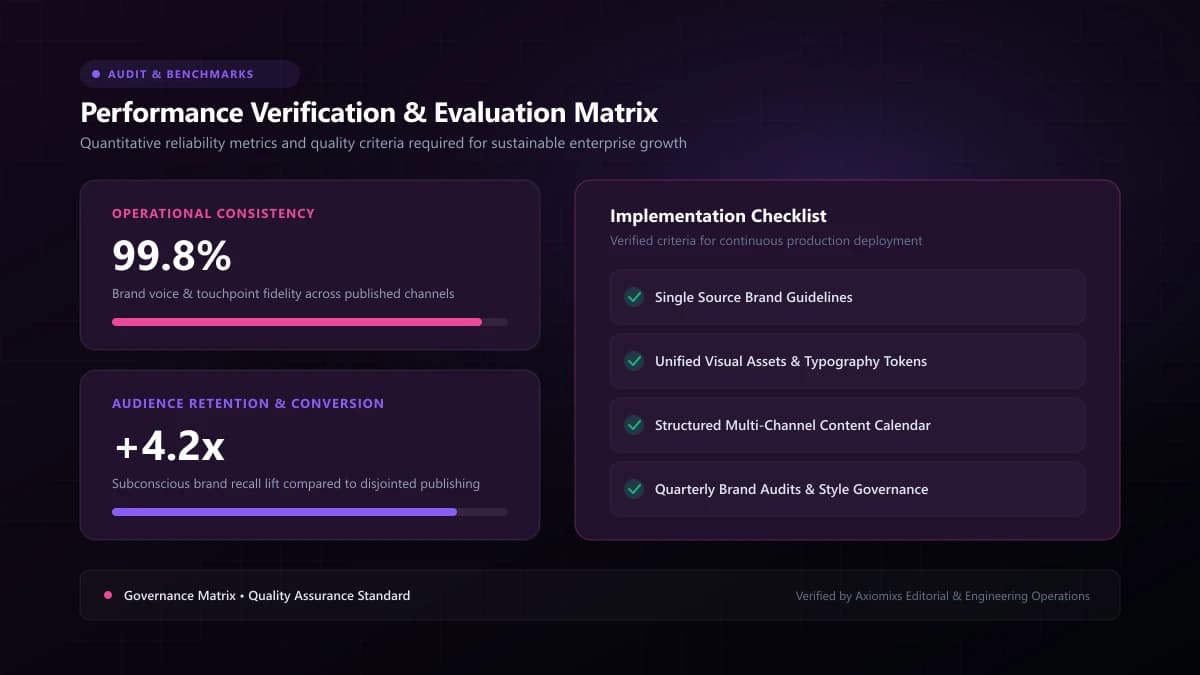
Figure 2.0 / Budget allocation matrix balancing organic creative production expenditure with paid media ad spend
Direct Comparison: Organic Social vs. Paid Social Ads
| Commercial Parameter | Organic Social Media | Paid Social Advertising |
|---|---|---|
| Time to Initial Results | 3 to 6+ months of consistent compounding | 24 to 48 hours following campaign launch |
| Audience Targeting | Broad network algorithm discovery | Granular demographic, firmographic, and retargeting rules |
| Asset Longevity | Permanent profile equity, searchable archives | Disappears instantly when daily ad spend ceases |
| Primary Metric | Engagement rate, shares, brand sentiment, retention | Cost per acquisition (CPA), ROAS, qualified lead volume |
The Unified Growth Flywheel: How to Integrate Both
High-performing brands do not choose between organic and paid; they create a symbiotic feedback loop:
- Test Organically: Publish multiple conceptual angles, hooks, and case studies organically across your channels at low risk.
- Identify Outperformers: Monitor which organic posts achieve unusually high engagement, comments, and saves.
- Amplify with Paid Spend: Put ad budget behind the proven organic winners to scale reach to a lookalike audience.
- Retarget with Case Studies: Use paid retargeting to show organic proof videos to prospects who previously visited your website.
Frequently Asked Questions
Is organic social media truly 'free'?↓
No. While you do not pay the platform for impressions, organic social requires substantial investment in copywriting, graphic design, video production, and community management labor.
When should a business start investing in paid social ads?↓
Begin paid advertising only after validating your core offer, proving message-market resonance organically, and building a high-converting website landing page with clear tracking.
What happens to your business if you turn off paid ads?↓
Traffic and leads from paid campaigns stop immediately when budget pauses. This is why building owned digital assets and organic search equity is critical for long-term enterprise value.
Scale Both Organic Brand and Paid Acquisition
Axiomixs builds integrated social strategies that combine high-trust organic content with laser-targeted paid acquisition funnels.
Discuss Your Social Growth →Related Engineering Guides
Social Media Content Calendar for Small Businesses
Build a sustainable weekly and monthly planning framework with core content pillars, repurposing workflows, and realistic posting cadences.
Why Your Business Social Media Posts Get Low Engagement
Diagnose audience disconnect, weak creative hooks, corporate jargon, and flawed calls-to-action to revitalize your social reach.
How to Build a Consistent Brand on Social Media
Establish an unmistakable visual and verbal brand identity across social channels with style rules, tone guidelines, and structured asset templates.