

Animated Videos vs Live-Action Videos: Which Is Better for Business?
Evaluate animated and live-action video formats across production logistics, revision flexibility, emotional connection, and budget allocation.
The Medium Defines the Message
When planning a commercial video campaign, one of the earliest decisions is format: should you hire a physical film crew with cameras, actors, and lighting sets, or partner with an animation studio to engineer a fully digital motion piece?
Neither format is inherently superior. Live-action excels at human empathy, authentic emotional warmth, and tangible physical products. Animation excels at visualizing invisible concepts, demystifying abstract software, and providing infinite creative flexibility without physical real-world constraints.
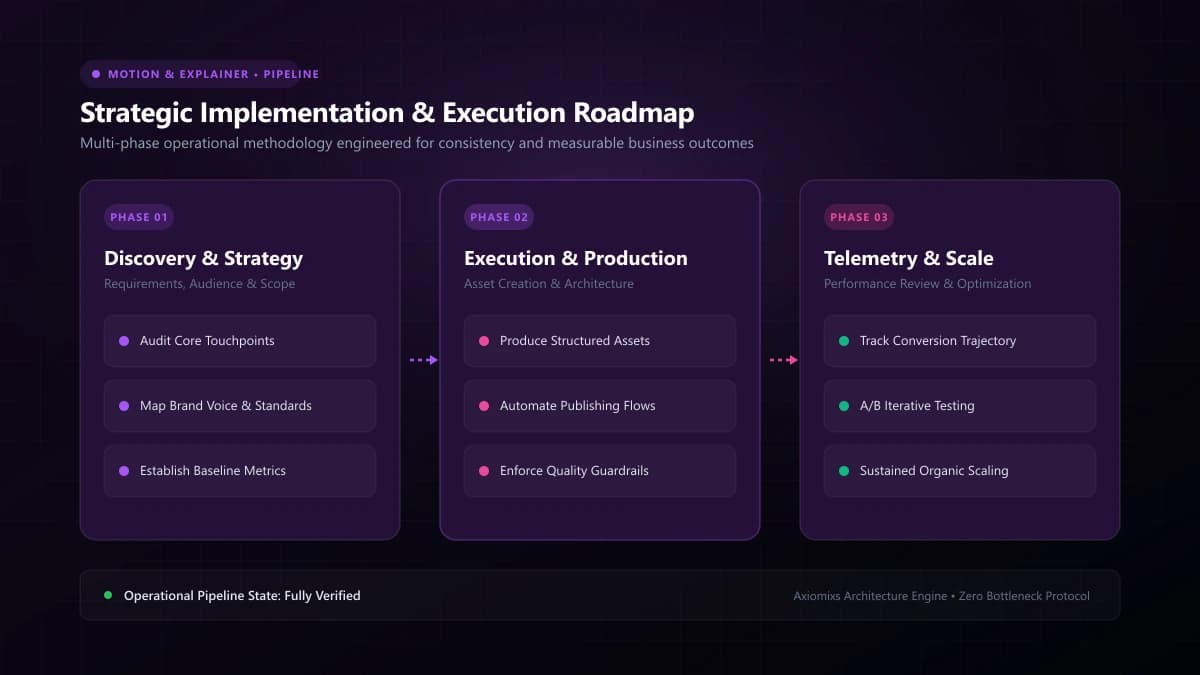
Figure 1.0 / Decision matrix flowchart evaluating concept abstraction, physical location constraints, and long-term asset revision needs
When Live-Action Video Is the Superior Choice
- Physical E-Commerce & Fashion: Customers need to see real fabrics draping on human bodies or physical products unboxed in real environments.
- Company Culture & Leadership Interviews: Nothing builds trust like an authentic, unscripted interview with a company founder or key team specialist.
- Customer Testimonials: Genuine clients speaking candidly on camera provide irreplaceable social proof that cannot be replicated through illustrated avatars.
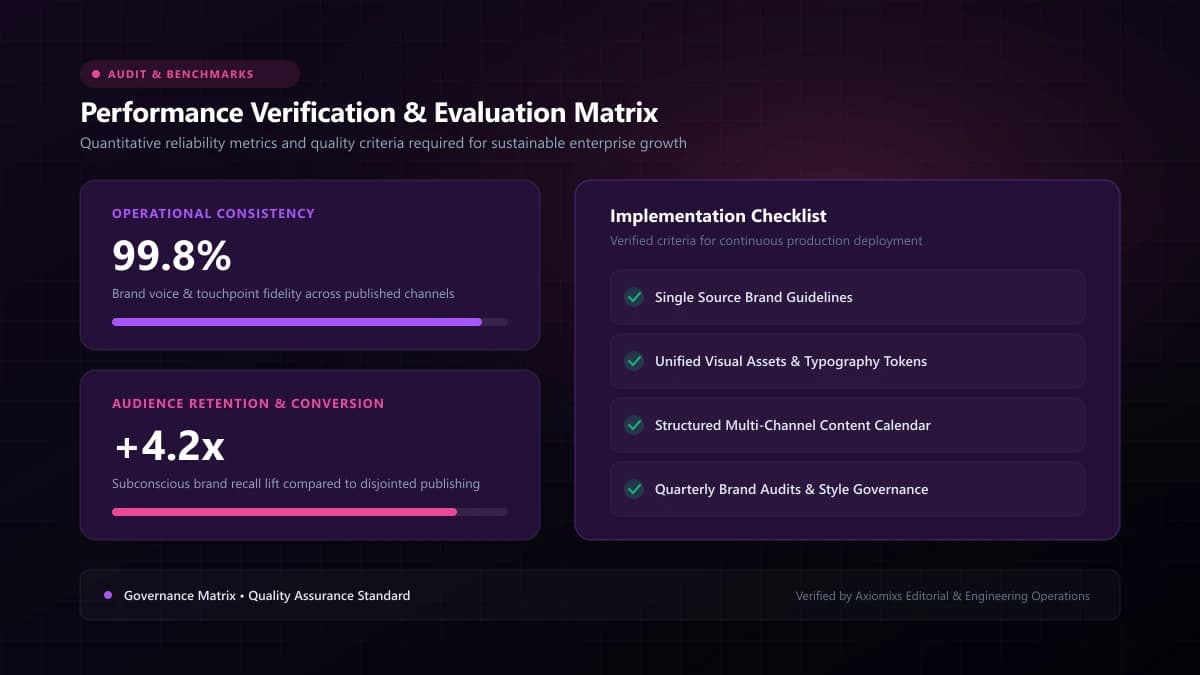
Figure 2.0 / Cost and logistics scorecard comparing live-action filming permits and actors with digital animation workflows
When Animated Video Delivers Unbeatable Advantages
- Abstract Software & Data Infrastructure: Visualizing how an API transmits encrypted data across global cloud nodes is nearly impossible to film with a physical camera; animation brings abstract diagrams to life effortlessly.
- Zero Physical Constraints: In animation, your scene can seamlessly travel from an employee's desk inside a microchip, out to a satellite in orbit, and back down to a mobile phone screen in 5 seconds.
- Long-Term Revision Agility: If your software UI changes or your pricing model updates six months after launch, an animator can modify the specific vector layer and export an updated render without expensive reshoots.
Direct Comparison: Animated vs. Live-Action Video
| Production Dimension | Animated Business Video | Live-Action Film Production |
|---|---|---|
| Abstract Concept Clarity | Exceptional (infinite visual metaphors & data flows) | Limited to what physical props and screens can show |
| Production Logistics | Fully digital (no travel, sets, casting, or weather risks) | Requires location permits, actors, gear rentals, audio crews |
| Long-Term Future-Proofing | High (easy asset updates and localized voiceovers) | Low (minor script edits require complete studio reshoots) |
| Human Relatability | Stylized and symbolic | High immediate emotional authenticity |
Frequently Asked Questions
Is animation cheaper to produce than live-action video?↓
Not necessarily. A simple live talking-head video can be inexpensive, while bespoke 3D animation requires specialized software artists. However, animation avoids expensive actors, location permits, studio rentals, and weather delays.
Can businesses combine live-action footage with animation?↓
Yes. Hybrid videos—combining live-action human presenters or workplace footage with animated UI callouts, kinetic typography, and motion overlays—often deliver the perfect blend of human trust and visual clarity.
Which format is easier to update when product features change?↓
Animation is far easier to update. Modifying a software screen or pricing number in animation requires tweaking an asset and re-rendering, whereas live-action requires re-booking actors, re-renting sets, and filming reshoots.
Discover the Right Video Medium for Your Brand
Axiomixs helps brands choose and execute the ideal visual strategy, whether dynamic motion graphics or hybrid live-action motion.
Consult Our Motion Directors →Related Engineering Guides
2D Animation vs 3D Animation vs Motion Graphics: Key Differences
Distinguish between 2D vector animation, 3D computer graphics, and kinetic motion graphics to select the optimal visual style for your project.
How Animated Explainer Videos Help SaaS Businesses Explain Complex Products
Learn how SaaS companies use animated explainer videos to clarify complex software architectures, increase trial signups, and streamline user onboarding.
How Much Does an Animated Explainer Video Cost in 2026?
Understand the realistic pricing variables, production stages, style drivers, and scope parameters that dictate animated video production budgets.